What Happens to Forgotten Belongings? How Haulers Sort Usable Goods from Landfill Waste
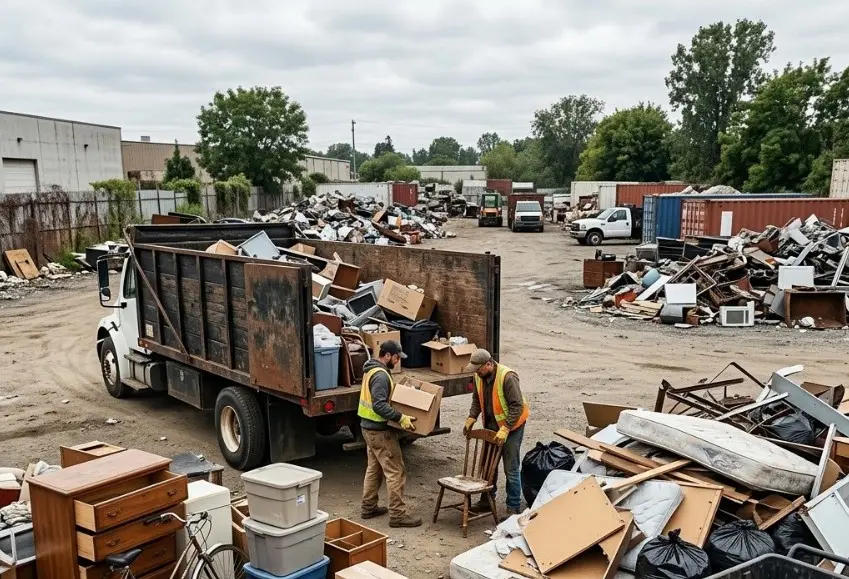
Professional junk haulers divert usable goods from landfills through a systematic three-tier downstream routing process: non-profit donation, certified material recycling, and residual solid waste disposal. Rather than dumping intact items into municipal landfills, licensed crews evaluate estate furniture, appliances, architectural lumber, and scrap metals on-site. Usable items are directed to local charities, recyclable commodities head to Material Recovery Facilities (MRFs), and only non-salvageable trash reaches regional landfills.
Whether clearing out an inherited family home, liquidating tenant abandonment in a rental property, or decluttering an attic packed with decades of stored possessions, property owners often worry that their family’s historic belongings will simply be discarded.
The 3-Tier Downstream Sorting Lifecycle
Professional junk removal is not a simple “load-and-dump” service. Responsible hauling contractors operate as logistics coordinators between private properties, non-profit distribution hubs, scrap processors, and municipal disposal centers.
Downstream Item Routing:
Property Cleanout ➔ On-Site Triage ➔ 1. Non-Profit Donation (Furniture & Usable Housewares)
➔ 2. Material Recovery (Metals, Timber & Clean E-Waste)
➔ 3. Certified Landfill (Contaminated & Non-Recyclable Waste)
Stage 1: On-Site Evaluation & Point-of-Origin Loading
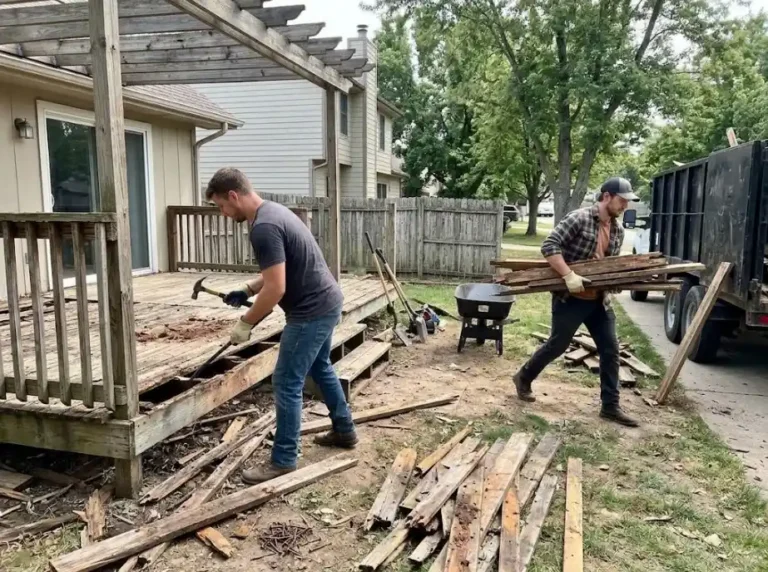
Sustainable sorting starts at the point of extraction – not at the transfer station. When crews arrive at an estate cleanout or whole-house trash-out, items are separated as they are carried out:
- Donation Candidates: Solid wood bedroom furniture, clean tables, functional lamps, boxed kitchenwares, and unsoiled textiles are loaded last or placed in protective truck zones to prevent cosmetic crushing during transit.
- Recyclable Commodities: Ferrous and non-ferrous metals, stripped copper piping, major appliances (“white goods”), clean construction framing lumber, and cardboard are consolidated for bulk offloading.
- True Solid Waste: Damaged particle-board cabinetry, stained mattresses, wet drywall, and contaminated trash are packed into base volume tiers.
Stage 2: Community Redistribution & Charitable Donation
Items with remaining functional life are routed to regional non-profit thrift networks, faith-based community centers, and local family shelters. This phase ensures:
- Working refrigerators, washers, and dryers are placed with families transitioning out of temporary housing.
- Quality desks, dining chairs, and dressers avoid incineration or permanent burial.
- Books, kitchenware, and unopened household goods re-enter the local circular economy.
Stage 3: Material Recovery Facilities (MRFs) & Scrap Processing
Items too worn for direct donation are broken down into raw material streams:
- Scrap Metal Salvage: Water heaters, broken exercise equipment, metal bed frames, and ductwork are hauled to certified metal recyclers, melted down, and re-introduced into commercial manufacturing.
- Appliance Refrigerant Evacuation: Refrigerators, freezers, and AC units have their Freon and refrigerants recovered by certified technicians before the sheet metal shell is recycled.
- E-Waste Stewardship: Computers, televisions, and circuit-bearing electronics are separated to prevent heavy metals (lead, cadmium, mercury) from leaching into regional groundwater supplies.
Where Cleanout Items Actually End Up: Downstream Routing Matrix
| Item Category | Typical Condition Encountered | Downstream Routing Pathway | Environmental & Municipal Impact |
| Solid Wood Furniture (Dressers, Tables, Desks) | Structurally intact; light surface scratches or vintage wear. | Local Non-Profit Donation Hubs & community charity centers. | 100% Diverted: Extends product lifecycle and supports local families in need. |
| Working Major Appliances (Washers, Dryers, Stoves) | Fully functional or requiring minor mechanical service. | Charitable Re-Use Programs or secondary refurbishers. | 100% Diverted: Keeps energy-intensive manufacturing units out of landfills. |
| Non-Working Appliances & Scrap Metal | Seized motors, rusted frames, piping, copper wire, steel tools. | Certified Scrap Metal Recyclers & foundry processors. | 100% Diverted: Melted down into new raw construction and industrial stock. |
| Architectural Debris (Clean framing lumber, copper, steel) | Leftover renovation framing, clean dimensional studs, pipes. | Secondary Building Material Exchanges & timber reclaimers. | 70%–85% Diverted: Keeps salvageable wood and structural materials out of dumps. |
| Broken Electronics & Televisions (E-Waste) | Obsolete TVs, computer towers, audio equipment, monitors. | Certified E-Waste Recyclers (California DTSC / EPA-compliant). | Hazard Prevention: Prevents toxic battery acids and heavy metals from soil leaching. |
| Contaminated Soft Goods (Soiled mattresses, wet drywall) | Severe pet staining, mold contamination, broken composite boards. | Regional Solid Waste Transfer Station / Certified Landfill. | Responsible Burial: Packed efficiently to minimize cubic space consumption. |
Managing an estate cleanout or tenant turnover? Do not let usable items end up in a landfill. Call or text photos to [INSERT PHONE NUMBER] for an upfront, zero-obligation volume estimate from the local team at Junk It Off.
Municipal Curbside vs. Professional Full-Service Hauling
Property owners often consider using municipal bulk pickup services to dispose of unwanted estate items or garage clutter. However, the realities of city trash collection directly conflict with sustainable donation and convenience.
The Problem with City Curbside Programs
- Mandatory Curbside Dragging: Municipal services require all items to be staged on the public street or swale. For an estate executor or busy homeowner, hauling heavy oak wardrobes, washers, and packed storage boxes down flights of stairs to the curb causes severe physical strain.
- Immediate Destruction in Compactor Trucks: City bulk trash trucks use high-pressure hydraulic packer blades that crush dressers, dining sets, and appliances into splintered scrap on the street. 100% of municipal curbside pickup goes directly to the landfill.
- Strict Limits and Long Waitlists: Most cities limit pickups to once or twice a year, cap volumes at 2 to 4 cubic yards, and strictly ban remodel leftovers like drywall, tiles, and cabinetry.
How Junk It Off Protects Your Items and Property
With full-service hauling from Junk It Off, you point, and our insured crew does all the heavy labor directly from attics, basements, storage sheds, and high-rise units. Because items are carried out intact rather than dragged and crushed, salvageable furniture remains in prime condition for donation drop-offs.
HOA Covenants and Why Dumpster Rentals Fall Short
Renting an open-top roll-off dumpster often seems like an easy cleanout solution, but it introduces substantial hidden costs and neighborhood frictions:
- HOA Violation Fines: Gated communities and strict homeowners associations prohibit industrial steel dumpsters from sitting in driveways overnight. Non-compliance often triggers escalating fines (50–100+ per day).
- Paver and Asphalt Damage: Multi-ton steel roll-off wheels can crack decorative brick pavers, indent asphalt softened by summer heat, and leave permanent rust stains after rainstorms.
- The “Rainwater Weight” Surcharge: Open dumpsters act like giant bathtubs during severe downpours. Mattresses, couches, and old drywall absorb hundreds of gallons of water. Because transfer stations bill strictly by certified scale weight, you pay costly overage fees (60–100+ per ton) for accumulated rainwater.
- 100% Manual DIY Labor: You still have to carry every bulky dresser, box, and appliance out of the house yourself.
The Junk It Off Alternative: Our hauling trucks operate on commercial pneumatic rubber tires that will not harm decorative hardscaping. We arrive, carry out the items, sweep the area clean, and depart within hours – keeping your property clean and 100% HOA-compliant.
The Economics of Diversion: Why Recycling Keeps Rates Affordable
Eco-friendly junk removal is not just good for the environment – it directly lowers hauling costs for property owners.
Municipal landfills and commercial transfer stations charge private haulers “tipping fees” – a fixed charge per ton of solid waste offloaded at the facility scales. These fees range from $60 to more than $120 per ton depending on the municipality.
Landfill Economics:
More Items Dumped at Scales ➔ Higher Tipping Fees Paid ➔ Higher Prices for Customers
Items Diverted to Charities/Scrap ➔ Reduced Scale Weight ➔ Direct Savings Passed to Clients
By maintaining active partnerships with local charity drop-offs, metal reclamation centers, and pallet/wood recyclers, Junk It Off bypasses expensive landfill scales for a large percentage of every load. Those operational savings are passed directly back to you through transparent, volume-based rates.
Why Property Owners Count on Junk It Off
When tackling a major property clearance, you need a responsive, professional team that treats your premises and memories with respect.
- 100% Locally Owned & Operated: We are an independent, community-focused business – not an out-of-town franchise. You avoid arbitrary corporate franchise surcharges and receive honest, transparent communication.
- Full-Service “Zero-Lifting” Standard: You never have to lift a box or stage items on the curb. Our crew handles all lifting, carrying down narrow stairs, loading, sorting, and final sweep-up.
- Fully Licensed and Insured: Complete commercial general liability and auto coverage protect your residential driveway, commercial facility, and common areas.
- “Donation & Recycle First” Commitment: We actively work to keep functional furniture, housewares, and usable construction assets out of local landfills.
- Rapid 7-Day Dispatch: Same-day and next-day cleanouts are available throughout [INSERT PRIMARY CITY & STATE] and surrounding communities to help you meet critical real estate closing or lease deadlines.
Frequently Asked Questions
Do junk removal companies really donate usable belongings?
Yes. Reputable, full-service haulers like Junk It Off presort truckloads to separate solid wood furniture, functional kitchen appliances, clean housewares, and unopened goods for local non-profit donation hubs. Diverting usable items to community charities supports local families and lowers municipal landfill tipping fees.
What happens to old mattresses and upholstered furniture?
Mattresses and soft furnishings that are clean, unstained, and free of rips or structural damage are accepted by select charitable organizations and furniture banks. However, units with heavy organic stains, tears, or mold cannot be accepted by donation centers and must be transported to licensed regional transfer stations for sanitary disposal.
Can I get a tax donation receipt for items hauled from my cleanout?
Tax donation receipts depend on the receiving non-profit’s policies at the time of intake. When requested prior to your cleanout, our crew can prioritize donation-eligible pieces and provide any drop-off documentation or non-profit intake receipts issued by the donation facility for your accounting records.
What items are legally prohibited from hauling trucks and donation centers?
Licensed haulers cannot transport hazardous materials under federal, state, and local environmental regulations. Prohibited materials include wet chemical paints, motor oils, fuels, car batteries, biohazardous waste, asbestos-containing building debris, and pressurized propane tanks.
How do I get an upfront estimate for an estate or whole-home cleanout?
Simply snap clear photos of the rooms, garage, or items you need cleared and text them to (916) 917-9122, or complete our online inquiry form at junkitoff.com. Our estimators evaluate your total cubic volume and provide a transparent, all-inclusive quote with zero hidden disposal fees.